

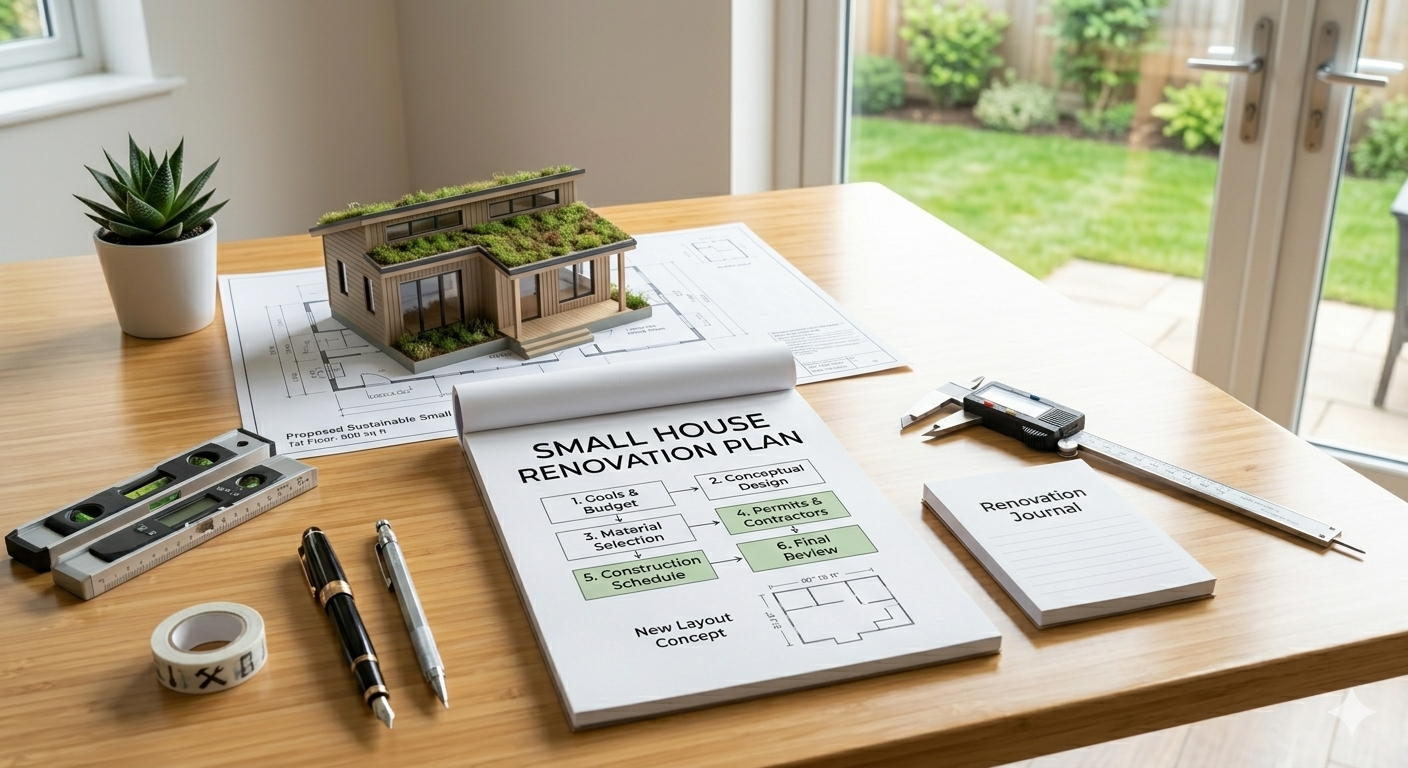
Renovating a small house presents unique challenges and opportunities that differ significantly from larger home projects. Limited square footage means every decision carries greater weight, as mistakes become more noticeable and harder to hide in compact spaces. However, smaller renovations also offer advantages like lower overall costs, faster completion times, and the ability to invest more per square foot in quality materials and finishes. The key to success lies in thorough planning that addresses spatial constraints while maximizing functionality and aesthetic appeal. Many homeowners rush into renovations without proper preparation, leading to budget overruns, design regrets, and incomplete projects that disrupt their lives for months. Taking time to plan carefully before swinging the first hammer prevents costly mistakes and ensures your renovation delivers the results you envision. This comprehensive guide walks you through every essential step of planning a small house renovation, from initial concept to final execution, providing practical advice that turns your vision into reality.
Setting Clear Goals and Priorities for Your Small House Renovation
Before diving into design details or contractor quotes, you need absolute clarity about what you want to achieve through your renovation. Start by identifying specific problems your current space presents, whether that involves outdated fixtures, poor layout, insufficient storage, or cosmetic issues that make your home feel tired and uninviting. Write down everything that bothers you about your current space, then prioritize these items based on which issues most significantly impact your daily life and happiness. This exercise helps distinguish between essential improvements and nice-to-have upgrades that can wait if budget constraints require difficult choices.
Consider how long you plan to stay in your home, as this timeline significantly influences renovation decisions. If you intend to sell within a few years, focus on improvements that add value and appeal to potential buyers rather than highly personalized choices that reflect only your unique tastes. Conversely, if this represents your forever home, you can prioritize features that perfectly suit your lifestyle even if they might not appeal to everyone. Understanding your timeframe also helps determine whether to tackle everything at once or phase renovations over several years as budget allows.
Think about how your needs might evolve in coming years. Are you planning to start a family, work from home more frequently, or age in place for decades? Anticipating future requirements allows you to incorporate flexibility into your design now rather than needing another renovation later. For example, you might install wider doorways to accommodate potential future mobility aids, create a flexible room that can serve multiple purposes, or add extra electrical capacity for technology you do not currently own but might need eventually.
Establishing a Realistic Budget When You Plan a Small House Renovation
Creating an accurate budget represents one of the most critical steps in planning any renovation, and small house projects require particularly careful financial planning. Start by researching typical costs for the type of work you envision, recognizing that prices vary significantly based on location, materials, and labor rates. Online cost calculators provide rough estimates, but speaking with local contractors gives more accurate figures specific to your market. Remember that small house renovations often cost more per square foot than larger projects because certain fixed costs remain the same regardless of project size.
Plan for contingencies by adding at least fifteen to twenty percent to your estimated budget for unexpected issues that almost inevitably arise during renovations. Once you open walls or remove old fixtures, you may discover outdated wiring, plumbing problems, structural issues, or other hidden complications that require addressing before proceeding. Having contingency funds prevents project stalls when surprises emerge and eliminates the stress of scrambling to find extra money mid-renovation. If you ultimately do not need these reserves, you can apply them to upgrades or simply keep the savings.
Determine your financing strategy before committing to any work. Will you pay cash from savings, take a home equity loan, use a personal loan, or put expenses on credit cards? Each option carries different costs and implications for your overall financial health. Home equity loans typically offer the lowest interest rates but use your home as collateral, while personal loans provide faster approval without risking your property. If borrowing, get pre-approved for your desired amount before finalizing plans to ensure your budget reflects what you can actually spend rather than wishful thinking that leaves projects incomplete.
Designing Efficient Layouts for Small House Renovations
Space planning becomes exponentially more important in small house renovations where every square foot must work harder. Begin by analyzing traffic flow through your home and identifying bottlenecks or awkward pathways that waste space or create frustration. Sometimes simply relocating a door, removing a non-structural wall, or reconfiguring a room’s layout can dramatically improve how your space functions without actually adding square footage. Professional designers excel at seeing possibilities that homeowners miss, so consulting with an architect or interior designer often proves worthwhile even if you handle most planning yourself.
Consider open concept layouts that eliminate walls between kitchen, dining, and living areas to create a sense of spaciousness and improve sightlines. Removing walls also allows natural light to penetrate deeper into your home, making spaces feel larger and more inviting. However, evaluate whether open concept truly suits your lifestyle, as some people prefer defined rooms for privacy, noise control, or aesthetic reasons. The key involves making intentional choices based on your specific needs rather than simply following trends that might not actually improve your daily experience.
Maximize vertical space through floor-to-ceiling storage, tall cabinets, and strategic shelving that takes advantage of often-wasted upper wall areas. In small houses, going up instead of out provides crucial storage capacity without consuming precious floor space. Built-in furniture like window seats with storage underneath, Murphy beds, or custom shelving units designed for awkward nooks make the most of every available inch. While custom built-ins cost more than freestanding furniture, they deliver superior space efficiency in small homes where standard furniture often fits poorly or blocks pathways.
Selecting the Right Materials and Finishes for Your Project
Material selection significantly impacts both the budget and final appearance of your renovation, requiring careful consideration of aesthetics, durability, maintenance, and cost. In small spaces, finishes become more noticeable since you see them from multiple angles and in close proximity throughout daily activities. This visibility means you should invest in quality materials that will wear well and continue looking good for years, as cheap finishes show age quickly in high-traffic small homes. However, quality does not always mean expensive, and savvy shopping can uncover excellent materials at various price points.
Light colors and reflective surfaces help small spaces feel larger and brighter, making them popular choices for compact home renovations. White or light-colored paint, glossy tile, mirrors, and glass elements all contribute to an airy, open feeling that counteracts the limitations of small square footage. However, do not feel constrained to only light colors if you love richer hues. Strategic use of darker accent walls or dramatic finishes can add depth and character when balanced with lighter elements that prevent spaces from feeling cave-like.
Continuity in flooring throughout your small house creates visual flow that makes the entire space feel larger than when different rooms use different materials. Running the same flooring from room to room eliminates visual breaks that fragment space, and it often costs less than purchasing multiple flooring types. Choose durable, easy-to-maintain materials that suit your lifestyle, whether that involves waterproof luxury vinyl plank, classic hardwood, or porcelain tile that mimics natural materials. The best flooring balances appearance, performance, and budget while serving your household’s specific needs for decades to come.
Working With Professionals When You Plan a Small House Renovation
Deciding which professionals to hire significantly affects both the quality and cost of your renovation. For projects involving structural changes, electrical work, plumbing, or anything requiring permits, hiring licensed professionals is not just wise but often legally required. Attempting complex work yourself or using unlicensed workers to save money can result in poor quality, safety hazards, permit violations, and future problems that cost far more to fix than hiring qualified professionals initially. Research contractors thoroughly, checking licenses, insurance, references, and previous work examples before making hiring decisions.
Interview at least three contractors for significant projects, asking detailed questions about their experience with small house renovations specifically. Contractors accustomed to larger projects may not appreciate the unique challenges of working in tight spaces or understand design strategies that maximize limited square footage. During interviews, pay attention to how well contractors listen to your ideas and whether they offer helpful suggestions or simply agree with everything you say. The best contractors collaborate with homeowners, contributing expertise while respecting your vision and budget constraints.
Get detailed written estimates that break down costs by labor and materials for each aspect of the project. Vague lump-sum bids make it impossible to understand where your money goes and provide no basis for comparison between contractors. Detailed estimates also protect you if disputes arise about what was included in the original scope of work. Never make final hiring decisions based solely on price, as the cheapest bid often comes from contractors who cut corners, lack experience, or will add numerous change orders once work begins. Balance cost with qualifications, communication quality, and your overall comfort level with each contractor.
Navigating Permits and Regulations for House Renovations
Understanding permit requirements prevents legal problems and ensures your renovation meets safety codes that protect your family and preserve your home’s value. Requirements vary by location and project scope, but generally structural changes, electrical work, plumbing modifications, and additions require permits. Cosmetic updates like painting, new flooring, or cabinet replacement typically do not need permits. Check with your local building department early in planning to determine exactly which permits your project requires and what documentation you must submit for approval.
The permit process adds time and cost to renovations, but skipping required permits creates serious risks. Unpermitted work can complicate future home sales, as buyers or their inspectors may discover violations that must be corrected before closing. Insurance claims may be denied if damage involves unpermitted work, and you might face fines or orders to remove completed work that does not comply with codes. Licensed contractors typically handle permit applications as part of their services, ensuring work meets code requirements and passes inspections without issues.
Some neighborhoods have additional restrictions through homeowner associations or historic preservation boards that govern exterior changes or even some interior modifications. Review all applicable regulations before finalizing designs to avoid investing time and money in plans that ultimately cannot be approved. If your dream renovation conflicts with restrictions, you may be able to request variances, but this process takes time and might not succeed. Better to discover limitations early when you can adjust plans easily rather than after committing significant resources to an unapproved design.
Creating a Realistic Timeline for Small House Renovations
Developing an accurate project timeline helps you plan temporary living arrangements, coordinate contractor schedules, and maintain realistic expectations about when you can enjoy your renovated space. Small house renovations typically take anywhere from a few weeks for minor updates to several months for extensive remodels involving structural changes, systems upgrades, and custom work. Begin your timeline by working backward from any firm deadlines like needing the work complete before hosting an event or when a lease on temporary housing expires.
Factor in lead times for custom materials, special-order fixtures, and items that require manufacturing time before delivery. Delays in receiving materials can stall entire projects, leaving you with an unfinished space and contractors moving on to other jobs while you wait. Order long-lead items as early as possible, even before demolition begins, to ensure they arrive when needed. Some homeowners start ordering custom elements like cabinets or unique fixtures months before renovation work actually starts, eliminating this potential delay source.
Build buffer time into your schedule for the inevitable delays that affect most renovations. Weather can halt exterior work, inspectors might not be available immediately when needed, materials may arrive damaged requiring reorders, or hidden problems might emerge requiring additional time to address properly. Adding an extra twenty to thirty percent to your estimated timeline creates a more realistic completion date and reduces stress when the project runs longer than the best-case scenario. If work actually finishes early, you will be delighted rather than frustrated by expectations that were never achievable.
Planning for Living Arrangements During Your Renovation
Determining where you will stay during renovation significantly impacts both your budget and stress levels. For minor cosmetic updates, you can usually remain in your home with minimal disruption. However, extensive renovations involving kitchens, bathrooms, or multiple rooms often make living on-site uncomfortable or impossible. Evaluate whether renovation plans will leave you without essential facilities like working toilets, running water, or safe cooking areas that make the house unlivable during certain project phases.
If staying in your home during work, establish clear boundaries about which areas contractors can access and when they will be working. Discuss daily schedules including arrival and departure times, whether workers will use your bathroom, where they can store tools and materials, and how they will protect finished areas from dust and damage. Setting these expectations upfront prevents misunderstandings and helps maintain a functional living space despite ongoing construction. Create a temporary kitchen setup if your main kitchen will be out of commission, using a microwave, electric kettle, and cooler in another room to handle basic meal needs.
For renovations requiring you to move out temporarily, explore options like staying with family, renting a short-term apartment, or using extended stay hotels. Factor accommodation costs into your overall budget, as they can add significantly to total project expenses. Some homeowners choose to vacation during renovations, turning the inconvenience into an opportunity for travel. Whatever arrangement you choose, ensure you have regular access to check on progress, make decisions about questions that arise, and verify that work meets your standards before contractors move to the next phase.
Maximizing Storage Solutions in Your Small House Renovation
Strategic storage planning transforms small houses from cramped and cluttered to organized and spacious feeling. When you plan a small house renovation, dedicate serious attention to creating adequate storage for everything you own plus room for future accumulation. Start by honestly assessing how much storage your household actually needs, considering seasonal items, hobbies, collections, and everyday possessions that currently lack proper homes. Insufficient storage dooms even beautiful renovations to looking messy within weeks of completion.
Built-in storage utilizes space far more efficiently than freestanding furniture in small homes. Custom closet systems, pantry organizers, and built-in shelving designed for your specific possessions maximize every inch while maintaining clean lines that make rooms feel larger. Consider creative solutions like storage under stairs, recessed medicine cabinets that sit between wall studs instead of protruding into bathrooms, and toe-kick drawers beneath kitchen cabinets that capture otherwise wasted space. Multi-functional furniture like ottomans with internal storage or beds with drawers underneath also expands capacity without consuming extra floor area.
Vertical storage extends to ceiling height in closets, pantries, and storage rooms, taking advantage of upper areas that often go unused. Installing additional shelving above eye level provides homes for items used less frequently while keeping daily necessities at convenient heights. Kitchen cabinets that extend to the ceiling offer dramatically more storage than standard cabinets with wasted space above them, and the visual continuity makes ceilings appear higher. Use step stools to access upper storage areas, accepting this minor inconvenience in exchange for the substantial storage capacity gained.
Preparing for the Unexpected During Your Renovation Project
Even the most carefully planned renovations encounter unexpected challenges, and preparing mentally and financially for surprises reduces stress when they occur. Small house renovations commonly reveal hidden issues once walls open up, including outdated electrical systems with insufficient capacity, old plumbing with corrosion or improper installations, insulation problems, moisture damage, or structural concerns. These discoveries cannot always be predicted during initial planning, but experienced contractors can often identify higher-risk areas where problems are more likely to emerge.
Establish decision-making processes before renovation begins so you can respond quickly when contractors need guidance about unexpected issues or choices not covered in original plans. Determine who has authority to approve additional expenses up to certain amounts and how you will communicate when one of you cannot be physically present. Delays often occur while waiting for homeowner decisions, and having clear communication protocols keeps projects moving forward smoothly. Some couples find it helpful to designate one person as the primary point of contact for contractors to avoid conflicting directions or miscommunication.
Stay flexible about design details while remaining firm on essential priorities. You might discover that your dream layout creates structural complications requiring expensive engineering, or that materials you selected have extended lead times that would delay the project significantly. Being willing to consider alternatives while maintaining focus on your core goals allows you to navigate obstacles without derailing the entire renovation. The homes that turn out best often include adjustments made during construction that improved upon original plans once owners saw the space developing and contractors contributed professional insights.
FAQs
How much should I budget for a small house renovation?
Budget requirements vary dramatically based on scope, but minor cosmetic updates might cost five to fifteen thousand dollars, while extensive remodels involving layout changes, system upgrades, and quality finishes can reach fifty thousand dollars or more. Plan to spend approximately one hundred to two hundred dollars per square foot for significant renovations, though this fluctuates based on material choices, labor costs in your area, and project complexity.
Do I need an architect or designer for a small house renovation?
Professional design assistance is not always necessary for simple projects, but architects or interior designers add tremendous value for complex renovations involving structural changes or challenging space planning. Even a few consultation hours can provide insights and solutions you would never develop independently. The cost of professional design services often pays for itself through better space utilization, avoided mistakes, and access to resources like trade-only products and contractor networks.
How long does a typical small house renovation take from planning to completion?
Timelines vary based on project scope and complexity, with planning alone taking anywhere from a few weeks to several months. Simple cosmetic updates might be completed in two to four weeks, while comprehensive renovations involving multiple rooms and structural work often require three to six months. Add extra time for custom materials, permit approvals, and the inevitable delays that affect most construction projects.
Can I live in my house during a small renovation project?
Remaining in your home during renovation depends on which areas are affected and your tolerance for disruption. Kitchen and bathroom renovations often make staying difficult due to loss of essential facilities, while bedroom or living area updates may allow continued occupancy with some inconvenience. Discuss logistics with your contractor to understand what will and will not be functional during various project phases.
What renovations add the most value to a small house?
Kitchen and bathroom updates typically provide the strongest return on investment, followed by improvements that add usable square footage or dramatically improve functionality and appearance. Focus on quality over size, as small houses benefit more from excellent finishes and clever design than from expensive expansions. Ensure mechanical systems function reliably and address any deferred maintenance before investing in purely aesthetic upgrades.
Conclusion
Understanding how to plan a small house renovation empowers you to transform your compact space into a home that perfectly suits your needs while avoiding costly mistakes that plague poorly planned projects. Success begins with clear goals that distinguish essential improvements from wishful extras, followed by realistic budgets that include contingency funds for inevitable surprises. Thoughtful design maximizes every square foot through efficient layouts, strategic storage solutions, and material choices that enhance the sense of space. Working with qualified professionals ensures structural integrity, code compliance, and quality workmanship that serves your household for decades. Navigating permits, creating realistic timelines, and planning living arrangements prevents administrative headaches and unnecessary stress during construction. Preparing mentally and financially for unexpected challenges allows you to adapt smoothly when hidden problems emerge or better solutions present themselves during the renovation process. Remember that the planning phase represents your best opportunity to create the outcome you desire, as changes become increasingly expensive and disruptive once construction begins. By investing adequate time and thought into comprehensive planning, you set the foundation for a successful renovation that transforms your small house into a beautiful, functional home that brings daily joy and serves your evolving needs for years to come. The effort you dedicate to planning pays dividends through smoother execution, better results, and the satisfaction of seeing your vision come to life exactly as you imagined.