

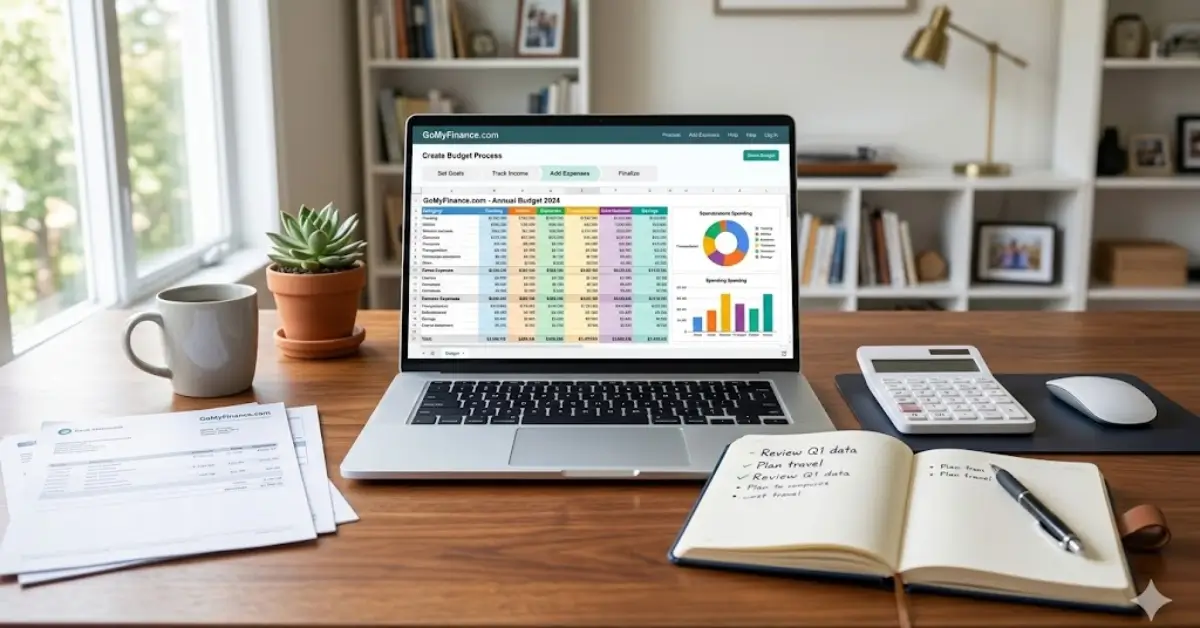
Financial uncertainty has become a constant in modern life, making the ability to save money more critical than ever before. The gomyfinance.com saving money approach provides practical solutions that work for real people facing everyday financial challenges. Whether you’re drowning in debt, living paycheck to paycheck, or simply want to build a stronger financial future, understanding proven saving strategies creates the foundation for lasting financial security and peace of mind.
Most people struggle with saving not because they lack discipline but because they’ve never learned effective techniques that fit their lifestyle. Traditional financial advice often feels disconnected from reality, offering suggestions that sound reasonable but prove impossible to implement when facing actual bills, family responsibilities, and unexpected expenses. The gomyfinance.com saving money philosophy recognizes these challenges and focuses on realistic approaches that accommodate imperfect circumstances while still producing meaningful results over time.
Saving money transforms more than just your bank account balance. It reduces stress, creates options during emergencies, and opens doors to opportunities you might otherwise miss. People with adequate savings sleep better at night, worry less about unexpected expenses, and feel more control over their lives. This psychological benefit often matters as much as the financial security itself, making the effort to develop better saving habits worthwhile even before you accumulate substantial amounts.
Understanding the GoMyFinance.com Saving Money Framework
The foundation of successful saving starts with understanding where your money actually goes each month. The gomyfinance.com saving money system emphasizes comprehensive tracking as the first essential step because you cannot improve what you don’t measure accurately. Most people significantly underestimate their spending in categories like dining out, online shopping, and small daily purchases that individually seem insignificant but collectively drain hundreds of dollars monthly.
This tracking period shouldn’t feel punitive or judgmental but rather informative, helping you see patterns without shame or criticism. You might discover that your morning coffee habit costs less than you feared while subscription services you barely use consume far more money than you realized. These insights create opportunities for painless cuts that free up money without feeling like sacrifice, which makes the changes sustainable long-term rather than temporary willpower-driven restrictions.
Once you understand your baseline spending, the gomyfinance.com saving money framework helps you identify the gap between current reality and financial goals. This gap represents your opportunity space where strategic changes in either spending or earning can accelerate progress toward the financial life you want. Some people find reducing expenses easier while others prefer increasing income, and the most effective approach often combines both strategies tailored to your specific situation and preferences.
Creating a Realistic Budget Using GoMyFinance.com Principles
Budgeting gets a bad reputation because most people approach it as restriction rather than empowerment, but effective budgets actually increase freedom by ensuring money goes toward things you genuinely value. The gomyfinance.com saving money platform supports flexible budgeting that adapts to your life rather than forcing you into rigid categories that create stress and inevitable failure. The goal involves conscious spending decisions rather than perfect adherence to predetermined numbers that ignore real-world complexity.
Start by categorizing your expenses into needs, wants, and savings using the popular fifty-thirty-twenty framework as a baseline. Fifty percent of after-tax income covers true necessities like housing, utilities, groceries, insurance, and minimum debt payments. Thirty percent funds discretionary spending on dining, entertainment, hobbies, and non-essential purchases. Twenty percent goes toward savings and extra debt payments beyond minimums. These percentages provide starting guidance rather than absolute rules, and you’ll adjust based on your specific circumstances.
The key to sustainable budgeting involves building in flexibility rather than trying to predict and control every penny. The gomyfinance.com saving money approach recommends allocating a reasonable miscellaneous category for unpredictable expenses and occasional treats rather than pretending you’ll never spend money on unexpected items. This buffer prevents the discouragement that comes from technically failing your budget every single month because you didn’t account for birthday gifts, car repairs, or other irregular but inevitable expenses.
Automating Savings with GoMyFinance.com Tools
Automation represents the single most powerful technique in the gomyfinance.com saving money arsenal because it removes daily willpower from the equation entirely. When savings happen automatically before you can spend the money, you build wealth through systematic deposits rather than hoping you’ll have money left over at month’s end. This pay-yourself-first approach ensures saving actually happens regardless of how busy, tired, or tempted by purchases you feel on any given day.
Setting up automatic transfers from checking to savings accounts takes minimal time but continues working indefinitely without additional effort or decision-making. Schedule transfers for the day after your paycheck deposits, treating savings like any other non-negotiable bill rather than an optional activity you’ll do if money remains available. Start with whatever amount feels manageable, even twenty-five or fifty dollars per paycheck, then increase gradually as you adjust spending downward to accommodate reduced available cash.
The psychological impact of automation extends beyond just ensuring consistent deposits. When money moves automatically to savings, you quickly adapt to living on what remains in your checking account rather than constantly calculating whether you can afford to save this month. The gomyfinance.com saving money community reports that most people adjust to automated savings within two to three pay cycles, discovering they don’t miss money they never saw in their spending account. This adaptation makes progressive increases surprisingly painless compared to attempting large immediate changes.
Cutting Expenses Without Feeling Deprived
Sustainable spending reduction requires distinguishing between meaningful cuts that align with your values and restrictions that create resentment leading to eventual overspending rebounds. The gomyfinance.com saving money philosophy emphasizes identifying expenses that don’t genuinely enhance your life, making elimination feel liberating rather than sacrificial. Most people waste money on things they don’t particularly enjoy simply from habit, convenience, or social pressure rather than conscious choice.
Begin expense reduction with a subscription audit since recurring monthly charges often continue long after you stop actively using services. Review three months of bank and credit card statements, highlighting every subscription from streaming services and apps to gym memberships and delivery subscriptions. Cancel anything you haven’t used in the past thirty days, recognizing that you can always resubscribe if you genuinely miss the service. Companies rely on customer inertia and hope you’ll forget about charges rather than actively choosing to continue paying.
Food spending represents the largest controllable expense category for most households, offering substantial saving potential without requiring extreme measures. The gomyfinance.com saving money approach suggests meal planning to reduce both grocery waste and expensive last-minute takeout when you lack dinner plans. Cooking larger batches and freezing portions creates homemade convenience foods that cost a fraction of restaurant meals while often tasting better and supporting health goals simultaneously. You don’t need to eliminate dining out entirely, but reducing frequency from several times weekly to once or twice creates hundreds in monthly savings.
Building Your Emergency Fund Through GoMyFinance.com Strategies
Emergency funds prevent financial disasters when unexpected expenses inevitably occur, protecting the progress you’ve made in other areas from being destroyed by a single car repair or medical bill. The gomyfinance.com saving money framework treats emergency fund building as the highest initial priority because this foundation enables all other financial goals. Without emergency reserves, unexpected costs force you into debt that increases monthly obligations and reduces available money for future saving, creating a vicious cycle.
Start with a mini emergency fund of one thousand dollars, an achievable initial goal that provides meaningful protection against most common financial surprises. This starter fund prevents everyday emergencies like minor car repairs, appliance replacements, or urgent home maintenance from becoming credit card debt that takes months to repay with interest. Once you establish this baseline protection, you can confidently tackle other priorities knowing minor surprises won’t completely derail your financial progress.
Building a full emergency fund covering three to six months of essential expenses represents your next major milestone after eliminating high-interest debt. Calculate your baseline monthly costs for housing, utilities, food, insurance, transportation, and other non-negotiable expenses, then multiply by your target number of months based on income stability and household circumstances. The gomyfinance.com saving money platform helps you determine appropriate emergency fund size, recognizing that self-employed individuals or single-income families need larger reserves than dual-income households with stable employment and good benefits.
Leveraging GoMyFinance.com Resources for Debt Reduction
Debt elimination accelerates your saving progress by reducing monthly obligations and eliminating interest charges that drain money you could otherwise direct toward financial goals. The gomyfinance.com saving money approach recommends the debt avalanche method where you pay minimums on all debts while directing extra money toward the highest interest rate balance first. This mathematically optimal approach saves the most money on interest charges over time, though some people prefer the debt snowball method that targets smallest balances first for psychological wins.
Credit card debt carries particularly damaging interest rates, often exceeding twenty percent annually, making these balances your highest priority after establishing a small emergency fund. Every dollar you pay toward high-interest debt provides guaranteed returns equal to the interest rate you avoid, typically far exceeding what you’d earn from savings accounts or conservative investments. The gomyfinance.com saving money community shares strategies for negotiating lower interest rates with card issuers or utilizing balance transfer offers to reduce interest charges while you pay down principal.
Student loans and car payments typically carry lower interest rates than credit cards but still represent monthly obligations that limit your financial flexibility. Once you’ve eliminated high-interest consumer debt, you’ll decide whether to aggressively pay these moderate-interest loans or direct money toward investing instead. The gomyfinance.com saving money framework helps you analyze this decision based on interest rates, tax implications, and your risk tolerance rather than following one-size-fits-all advice that ignores your specific situation and priorities.
Increasing Income to Accelerate Your Savings Goals
While spending reduction matters, increasing income often produces faster progress and feels less restrictive than cutting expenses to absolute minimums. The gomyfinance.com saving money platform recognizes that earning more expands possibilities without requiring sacrifice, making income growth a crucial component of comprehensive financial improvement. Even modest income increases create disproportionate saving opportunities when you maintain existing spending levels rather than inflating lifestyle with each raise.
Career advancement through skill development, professional certifications, or strategic job changes typically offers the highest return on invested effort. Research consistently shows that changing employers produces larger salary increases than staying with one company and accepting annual raises, though this depends on your industry and specific circumstances. Negotiating salary increases at your current job works best when you document specific value through measurable achievements and present market research showing your compensation falls below industry standards for your experience level.
Side income through freelancing, consulting, or small businesses supplements your primary employment while potentially developing into full-time opportunities over time. The gomyfinance.com saving money community shares practical strategies for monetizing existing skills through platforms like Upwork, Fiverr, or industry-specific marketplaces. Starting with just a few hours weekly minimizes risk while providing proof of concept before committing significant time to side ventures. Direct all additional income toward financial goals rather than lifestyle inflation to accelerate progress dramatically.
Using Technology and Apps for Better Money Management
Financial technology has revolutionized personal money management by automating tracking and providing insights previously available only through expensive financial advisors. The gomyfinance.com saving money platform integrates tools that monitor spending automatically, categorize transactions, identify saving opportunities, and provide personalized recommendations based on your specific financial patterns. These automated insights reveal opportunities you might miss through manual tracking while requiring minimal ongoing effort once you complete initial setup.
Budgeting apps connect directly to your bank accounts and credit cards, categorizing spending automatically and eliminating tedious manual entry that causes many people to abandon budget tracking entirely. Popular options include Mint for comprehensive free tracking, YNAB for zero-based budgeting philosophy, and EveryDollar for simplified percentage-based approaches. The gomyfinance.com saving money approach recommends experimenting with several free options to determine which interface and methodology feel most intuitive before committing to paid subscriptions for premium features.
High-yield savings accounts dramatically increase returns on your emergency fund and short-term savings compared to traditional bank accounts paying virtually nothing in interest. Online banks typically offer substantially higher rates than brick-and-mortar institutions due to lower overhead costs, and FDIC insurance protects your deposits identically regardless of whether your bank has physical locations. The gomyfinance.com saving money platform regularly updates recommendations for competitive savings account rates, helping you maximize returns on cash reserves without taking investment risk inappropriate for money you might need quickly.
Developing Long-Term Wealth Building Habits
Sustainable financial success comes from consistent small actions rather than sporadic dramatic gestures or perfectly executed plans. The gomyfinance.com saving money philosophy emphasizes that imperfect action beats perfect planning, and starting with manageable steps builds momentum that makes larger changes possible over time. Many people delay taking action while waiting for ideal circumstances or complete knowledge, but this perfectionism prevents the compound benefits of starting immediately despite imperfect conditions.
Regular financial reviews maintain awareness of progress and allow course corrections before small issues become major problems. Schedule monthly thirty-minute sessions to review spending against your budget, assess progress toward goals, and identify concerning patterns emerging in your financial behavior. These brief check-ins strike a balance between mindful money management and obsessive monitoring that creates anxiety rather than security, keeping you engaged without overwhelming your mental energy.
The compound effect of consistent saving creates wealth over decades that seems impossible from your current vantage point. Someone saving just two hundred dollars monthly from age twenty-five to sixty-five accumulates over four hundred thousand dollars assuming seven percent average annual returns, demonstrating how modest consistent actions produce extraordinary long-term results. The gomyfinance.com saving money community shares success stories from members at various stages proving these principles work for real people facing normal challenges and constraints.
Making GoMyFinance.com Saving Money Work for Your Life
Implementing financial strategies successfully requires customizing general principles to your specific circumstances rather than following rigid formulas that ignore your reality. The gomyfinance.com saving money framework provides flexible guidelines you adapt based on income level, family size, geographic location, and personal priorities. What works perfectly for a single person in a low cost-of-living area might prove completely impractical for a family of four in an expensive city, making personalization essential for sustainable results.
Start by choosing one or two specific changes that feel most achievable in your current situation rather than attempting to overhaul your entire financial life simultaneously. Perhaps you begin with automating fifty dollars per paycheck to savings while conducting a subscription audit to free up money currently wasted on unused services. These modest starting points create momentum and confidence that enable larger changes once initial habits solidify and you see concrete results from your efforts.
Remember that financial progress rarely follows a straight line, and setbacks don’t erase previous progress or mean you should abandon your goals entirely. The gomyfinance.com saving money philosophy acknowledges that life happens, emergencies occur, and you’ll sometimes make choices that don’t align perfectly with your long-term goals. The key involves returning to productive habits after disruptions rather than using temporary setbacks as excuses to quit entirely, recognizing that overall trajectory matters far more than perfect execution of every individual decision.
Frequently Asked Questions
How much money should I save from each paycheck?
Financial experts often recommend saving around 20% of after-tax income, but any amount is a good start. If that feels difficult, begin with 5–10% and increase gradually.
What’s the difference between gomyfinance.com saving money and traditional budgeting?
The approach focuses on automation, flexibility, and sustainable habits instead of strict budgeting. It aims to make saving easier and more consistent long term.
Should I save money or pay off debt first?
Start with a small emergency fund, then focus on paying off high-interest debt. This helps prevent new debt while reducing costly interest payments.
How can I save money when I’m living paycheck to paycheck?
Track spending, cut unnecessary expenses, and automate small savings amounts. Increasing income through side work or raises can also create more financial flexibility.
What are the best gomyfinance.com saving money tips for beginners?
Start by tracking expenses, automating savings, canceling unused subscriptions, and meal planning. Small consistent steps often create lasting financial progress.
CONCLUSION
The gomyfinance.com saving money approach transforms your financial future through practical strategies that work for real people facing everyday challenges and constraints. Whether you’re just starting to build savings or looking to accelerate existing progress, the techniques covered from automation and budgeting to expense reduction and income growth work together to create comprehensive improvement that builds momentum over time. Financial security doesn’t require extreme measures or perfect execution but rather consistent small actions that compound into substantial results.
Success with gomyfinance.com saving money comes from starting where you are rather than waiting for ideal circumstances that may never arrive. Choose one or two strategies that feel most achievable in your current situation, implement them consistently, and build on that foundation as habits solidify and results create motivation for additional changes. Your financial journey is uniquely yours, and comparing yourself to others or trying to follow someone else’s exact path often creates discouragement rather than progress. Focus instead on making your situation better than it was last month, celebrating incremental progress while maintaining perspective about the long-term transformation you’re creating through daily choices that align spending with values and priorities that matter most to you.